

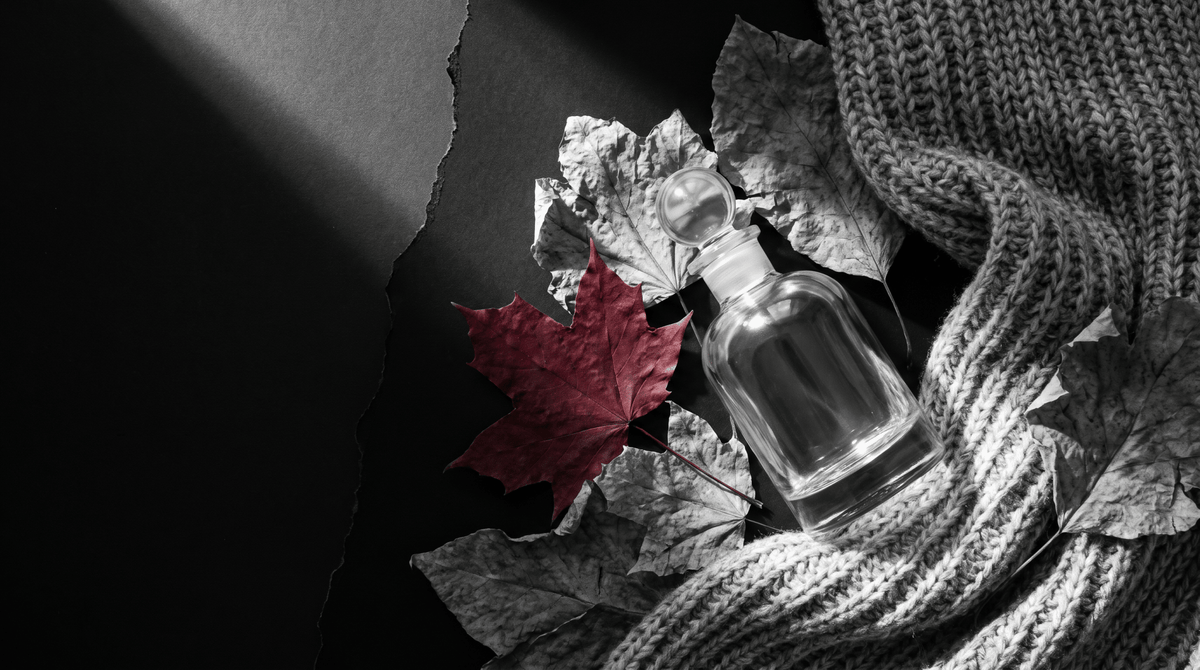
The first cold morning usually arrives without much warning. One day your perfume feels airy and bright, and the next it seems to disappear into a scarf, a coat collar, and crisp air before lunch. That’s when a lot of women start looking for the best fall perfumes for women, not just to smell seasonal, but to feel more like themselves in the new rhythm of the season.
Fall fragrance has a different job than summer fragrance. It has to work with knits, cool air, indoor heat, longer evenings, and all those small autumn rituals like coffee runs, weekend walks, dinners out, and travel around the holidays. Richer scents often feel right, but choosing one can get confusing fast. Notes sound poetic. Concentrations sound technical. Full bottles are expensive. And the perfume that wowed you on paper might feel heavy, flat, or oddly sweet on your skin.
That’s why the smartest way to approach fall perfume isn’t to chase one perfect bottle right away. It’s to learn how autumn scents work, test them in small sizes, and build a wardrobe you can wear.
Table of Contents
- What Makes a Fragrance Feel Like Fall
- Understanding Fall Perfume Notes and Accords
- Finding a Fall Fragrance for Every Occasion
- Choosing Between EDP, EDT, and Parfum for Autumn
- The Art of Discovery Without a Full Bottle Commitment
- Layering Fragrances to Create Your Custom Fall Scent
- Building Your Personal Fall Fragrance Wardrobe
What Makes a Fragrance Feel Like Fall
Fall perfume usually starts as a feeling before it becomes a note list. You pull on a sweater, order something warm to drink, and suddenly your summery citrus or sheer floral feels a little too transparent. You want scent with texture. Something that feels like suede, wood, spice, vanilla, smoke, or soft amber light.

That’s why the best fall perfumes for women often lean deeper, smoother, and more enveloping than spring or summer scents. They don’t need to shout. They just need enough warmth and presence to hold their shape in cool air. A fragrance with vanilla, patchouli, woods, spice, leather, or amber can feel more natural in autumn because those notes echo what we wear and crave at this time of year.
A good way to think about it is fabric. Summer perfume is often linen or cotton. Fall perfume is cashmere, corduroy, or velvet. It has weight, but it still moves.
Practical rule: If a fragrance makes you think of a cozy room, dry leaves, polished boots, a bakery window, or a late dinner by candlelight, it probably sits comfortably in a fall wardrobe.
What makes this especially fun is that “fall” doesn’t mean one style. One woman might want creamy vanilla and tonka bean. Another might want cedar, saffron, and dry rose. Another might want a clean leather scent that feels sharp and confident rather than edible.
That’s the secret. Autumn fragrance isn’t a single smell. It’s a family of moods. Once you understand those moods, shopping gets easier, and you stop relying on vague words like “warm” or “cozy” without knowing what they mean on skin.
Understanding Fall Perfume Notes and Accords
A lot of fall fragrance confusion starts here. You read “bergamot, rose, patchouli, vanilla, amber” and still have no clear picture of what the perfume will feel like on skin. The fix is learning the difference between notes and accords.

Notes are the individual ingredients or effects you notice as a perfume develops. Accords are the bigger picture, the mood those notes create together. If notes are ingredients in a recipe, accords are the finished dish. That distinction helps a lot, because two perfumes can share several notes and still smell completely different.
How the perfume pyramid works
Perfume usually unfolds in stages, often described as a pyramid.
- Top notes are the first impression. They arrive fast and fade first. In fall, that might be bergamot, apple, pink pepper, saffron, or a bright crackle of spice.
- Middle notes are the heart of the fragrance. They show up after the opening softens and give the scent its main character. Common fall examples include cinnamon, rose, plum, iris, chestnut, coffee, and dried-fruit effects.
- Base notes are the part that lingers. They sit closest to the skin and shape the drydown. Many autumn favorites are found here: vanilla, sandalwood, patchouli, amber, musk, benzoin, suede, and leather.
Music works as a useful comparison. The top is the opening chord. The heart is the melody you remember. The base is the low note still humming in the room after the song ends.
That’s also why spraying a fragrance on a blotter and judging it after ten seconds can be misleading. You are meeting the perfume at the door, not living with it through the evening.
The accord families that read as autumn
Accords are where perfume starts to feel less technical and more emotional. In fall, a few families show up again and again because they echo the textures and colors of the season.
| Accord family | How it feels | Common examples |
|---|---|---|
| Gourmand | Soft, edible, comforting | Vanilla, caramel, chestnut, coffee, cocoa |
| Woody and earthy | Dry, grounded, polished | Cedar, sandalwood, patchouli, vetiver |
| Spiced and resinous | Warm, aromatic, glowing | Cinnamon, clove, nutmeg, cardamom, myrrh |
| Amber and balsamic | Rich, smooth, golden | Amber, benzoin, labdanum, balsams |
| Deep fruity floral | Plush, romantic, dramatic | Plum, dark rose, fig, ripe berries |
The useful part is learning how these families overlap. A vanilla scent can read airy and sugary, or smoky and elegant, depending on whether it sits with musk, woods, incense, or patchouli. Rose gives another good example. Rose with peony and fresh musk feels springlike. Rose with plum, amber, and woods feels like velvet.
The note list is only a clue. The accord tells you the atmosphere.
How to read descriptions without getting tricked
Fragrance marketing loves beautiful words, but those words can blur together fast. “Warm,” “sensual,” and “cozy” are not precise. Look for the structure underneath.
If a perfume lists vanilla, tonka, benzoin, and sandalwood, expect softness and depth. If it lists apple, pink pepper, cedar, and patchouli, expect a drier, crisper kind of fall. If it mixes rose, plum, amber, and incense, you’re probably in evening territory.
This skill saves money. Instead of blind-buying a full bottle because the ad sounds romantic, you can test the style first through samples or a decant-focused niche fragrance guide for 2025, then decide which accord family feels like you.
Why some fall perfumes feel richer and stay present longer
Autumn scents often seem to wear closer, denser, and more steadily than fresh summer fragrances. Part of that effect comes from the materials themselves. Resins, woods, vanilla, ambery notes, and patchouli tend to create a fuller drydown than sheer citrus or watery florals.
The practical takeaway is simple. If two perfumes open with similar spice or fruit notes, the one built on amber, vanilla, woods, or patchouli will usually feel more anchored as the hours pass. It may cling to a scarf, soften into knitwear, or keep a warm glow on skin long after the bright top notes have faded.
That’s why chasing note lists alone can lead you astray. Rather, the question is not “Does it have vanilla?” It’s “What is the vanilla doing here?” Creaming out a smoky wood accord feels very different from sweetening a dessert-like gourmand. Once you start asking that question, perfume descriptions become much easier to decode.
Finding a Fall Fragrance for Every Occasion
A useful fall wardrobe has range. You probably don’t want the same perfume for a lazy Sunday, a work meeting, and an evening party. Instead of memorizing product lists, it helps to match scent styles to real moments.
Cozy weekends and slow mornings
For home, brunch, reading, or a coffee run, soft gourmands tend to shine. Think vanilla, milk, light coffee, tonka, or a touch of caramel. These are the fragrances that feel like knitwear in scent form. They sit close, feel comforting, and rarely ask too much of the room.
If you like fragrance but don’t want to smell “done,” this is often the category that wins you over. It’s warm without being dramatic.
Outdoor days and crisp air
Orchard visits, markets, walks through dry leaves, or cool daytime errands usually suit woods and spices. Cedar, sandalwood, patchouli, cardamom, nutmeg, and crisp fruit notes can feel especially right here. You get contrast. Freshness up top, depth underneath.
These fragrances smell connected to nature rather than separate from it. If your ideal autumn day includes boots, sunlight, and cold hands around a cup, look for that woody-spiced balance.
Evenings out and dressed-up moments
Dinner, events, or holiday parties can handle more richness. Amber, incense, dark florals, suede, leather, and plush vanilla often come alive at night. They feel finished, deliberate, and a little glamorous.
A niche fragrance roundup like this 2025 decant edition of top niche fragrances can be useful if you want examples of more dramatic scent styles, especially when you’re drawn to luxury houses but aren’t sure which direction fits your taste.
For evening wear, the question isn’t “Is this beautiful?” It’s “Does this leave the trail I want?” Fall gives you room for a little more texture and shadow.
Workdays and polished settings
Office perfume is its own category. You want presence, but not clutter. Clean woods, restrained leather, soft iris, gentle musk, and less sugary ambers often work well because they feel put together rather than loud.
A polished fall perfume doesn’t need to project like a party scent. It should read as intentional when someone leans in for a greeting or sits beside you in a meeting. That’s different from a perfume built to dominate a room.
Choosing Between EDP, EDT, and Parfum for Autumn
One of the most common perfume questions sounds more technical than it really is. Should you choose EDT, EDP, or Parfum? The short answer is that concentration affects how dense, lasting, and sometimes how smooth a perfume feels.
What the labels mean in real life
EDT usually feels lighter and more sparkling. It can be great if you like a breezier effect, especially with woods, florals, or spice that you don’t want to feel too dense.
EDP often gives more depth through the heart and base. For many women, this is the sweet spot in fall because it keeps enough richness to feel seasonal without becoming difficult to wear.
Parfum tends to feel more concentrated and plush. It often wears closer to the skin than people expect, but with a thicker, more lingering dry-down. This format can be wonderful for evenings, special occasions, or anyone who loves a slow, luxurious scent trail.
Which concentration makes the most sense in fall
Cool weather changes the equation. A stronger concentration often feels easier to wear in autumn than in summer because heat isn’t pushing the fragrance outward in the same way. Rich notes like amber, woods, vanilla, and resin can settle more gracefully.
That doesn’t mean stronger is always better. It means stronger is often more readable in fall. If you’ve tried an EDT version of a perfume and wished it had more body, autumn is a good time to revisit the EDP or Parfum.
A simple comparison can help:
- Choose EDT if you want freshness, subtlety, and easy daytime wear.
- Choose EDP if you want versatility and a clear dry-down.
- Choose Parfum if you love richness, smoother depth, and evening elegance.
Clothing matters too. Fall fabrics hold scent well. A scarf, sweater, or coat can keep traces of a fragrance longer than bare summer skin. That makes deeper concentrations especially satisfying during this season.
The Art of Discovery Without a Full Bottle Commitment
Many don’t choose perfume badly because they have poor taste. They choose badly because they test too fast. A perfume smelled on paper for thirty seconds is not the same perfume you live with for half a day.

Why testing on skin matters
Skin changes perfume. Your body heat, skin chemistry, and even how dry your skin is can shift sweetness, spice, woodiness, and projection. A rose that feels powdery on one person may turn jammy on another. A leather scent may feel chic on your wrist and oddly harsh on a blotter.
That’s why a real test needs time. Wear a scent while commuting, eating, walking outside, and sitting indoors. Notice the opening, then the heart, then what remains hours later. Fall perfumes especially deserve this kind of testing because base notes do so much of the heavy lifting.
Why decants make more sense for seasonal perfumes
Portable samples are one of the biggest overlooked tools in fragrance shopping. As noted in Tiff Benson’s discussion of fall perfumes and niche sampling, most perfume guides overlook the need for portable, authentic samples, and there’s a real gap around TSA-friendly decants in 2 ml to 20 ml sizes. The same source notes that many full-size seasonal purchases result in waste, while decants support risk-free discovery of popular fall notes like bourbon vanilla and oud.
That matters because fall perfume is often mood-based. You may love smoky vanilla in October, crave woods in November, and want amber for holiday evenings. A full bottle assumes certainty. A decant lets you explore.
Here’s what decants do especially well:
- They reduce blind-buy mistakes by giving you enough wearings to notice patterns.
- They let you test in real settings, not just in a store cloud.
- They make travel easy, especially during holiday trips when you want options without carrying full bottles.
- They help you build variety. Instead of one expensive choice, you can compare styles across houses and concentrations.
How to choose a trustworthy sample source
Authenticity is the obvious concern, and it’s a fair one. If you buy a decant, you want to know it came from an original bottle and wasn’t diluted or mishandled.
One practical starting point is to understand what a perfume decant is in this beginner guide. When you evaluate any seller, look for clear information about bottle sourcing, handling, sizes, and whether the fragrance is transferred directly from the original branded bottle.
Decant Sample offers authentic decants in 2 ml to 20 ml formats and states that they’re decanted directly from brand-original bottles. That kind of factual transparency is what you want from any sample service you use.
Buy a bottle only after you’ve worn the scent enough times to know which version of it you’re actually buying. The first spray is often the least important part.
Layering Fragrances to Create Your Custom Fall Scent
You spray a perfume you loved in August, then step outside into cool October air and it suddenly feels too thin. That is often the moment layering starts to make sense. Instead of replacing a fragrance, you can reshape it.

Layering works like getting dressed for changing weather. One scent gives warmth close to the skin. Another adds shape, texture, or brightness on top. Fall makes this easier because familiar autumn materials such as woods, vanilla, amber, spice, and soft musk usually connect well with each other instead of clashing.
It also fits the sample-first approach that makes perfume discovery more enjoyable and less expensive. Layering is hard to learn from full bottles alone. A few decants let you test one vanilla with three florals, or one wood with two fruity scents, until you notice what your nose enjoys.
Simple layering ideas that work
Start with two fragrances, not three. You are building contrast with a shared thread, not creating a crowded scent cloud.
- Light floral plus wood. A floral that feels breezy in warm weather can feel more grounded with cedar or sandalwood underneath. The flower stays visible, but the wood gives it the weight of a knit sweater instead of a cotton blouse.
- Citrus plus vanilla. Citrus brings sparkle. Vanilla softens the edges and keeps that brightness from feeling out of place in cold air.
- Rose plus patchouli. Rose can read polished or romantic on its own. Patchouli adds shadow and depth, which often makes the blend feel more autumn-ready.
- Leather plus soft musk. Leather can smell sharp, smoky, or strict. Musk rounds it out so it feels worn-in, like a favorite bag instead of a brand-new jacket.
If you want to try a richer anchor, a travel-size Tom Ford Tobacco Vanille decant shows why tobacco, spice, and vanilla are popular layering materials. Just one or two sprays under a lighter scent can add warmth and density without forcing you into a full-bottle purchase.
Body care can help too. Unscented or matching lotion usually gives perfume a smoother surface to cling to, so the scent feels fuller and less patchy through the day. That is especially useful with drier fall skin, which can make perfume disappear faster than expected.
For a visual walk-through, this video gives a helpful sense of how layering changes a perfume’s character over time.
A few rules that keep layering elegant
Layering usually goes wrong because of volume, not because the pairing idea was terrible.
- Apply the heavier scent first. Put down the denser amber, wood, vanilla, or leather fragrance, then add the brighter scent over it.
- Cut your usual spray count. Two perfumes at full strength can blur together and lose their shape.
- Test on one arm first. Your skin will show you quickly whether the pairing feels smooth, flat, or overcrowded.
- Choose one link between them. Shared vanilla, spice, woods, or musk often helps two fragrances read as one composition.
A good layered scent reads like one outfit in coordinated textures. You notice the whole impression first, then the details.
Building Your Personal Fall Fragrance Wardrobe
A fall fragrance wardrobe doesn’t need to be large. It needs to be useful. The women who enjoy perfume most often aren’t the ones with the most bottles. They’re the ones who know what to reach for on an ordinary Tuesday, a cold weekend, or a special night out.
A simple capsule approach
A practical autumn capsule can start with three scent roles.
First, choose a daily comfort scent. This is your easy reach. Maybe it’s a soft gourmand, a creamy wood, or a gentle amber musk. It should feel effortless.
Second, add an outdoor or daytime scent. Look for something with freshness at the top and warmth underneath, such as woods with spice or fruit with patchouli. This gives you a scent that matches crisp air and movement.
Third, include an evening scent. Here, richer amber, leather, incense, dark florals, or plush vanilla can live. It doesn’t need to be loud. It just needs more drama than your daytime choices.
A fourth option, if you want one, is a layering piece. This is often a simple vanilla, musk, wood, or tobacco profile that helps shift your other perfumes into autumn.
How to buy less and enjoy more
If you build your wardrobe through decants first, you’ll notice your own patterns faster. Maybe you always admire leather but never wear it. Maybe patchouli sounds intimidating but becomes your favorite dry-down. Maybe the scent you thought was “too sweet” becomes perfect with wool coats and cold evenings.
That kind of discovery is the fun part. Perfume gets more enjoyable when you stop trying to pick the one bottle that must do everything.
The best fall perfumes for women aren’t universal. They’re personal. They’re the scents that make cool weather feel more vivid, more comforting, and more like your own season.
If you want to explore autumn scents without committing to full bottles, Decant Sample offers authentic luxury fragrance decants in travel-friendly sizes, which can be useful for testing, layering, and building a fall perfume wardrobe one scent at a time.


